Restoration, Renovation or Redesign? Why the Difference Matters.

Buying a significant property or Château is exciting, and it also comes with an unexpected responsibility.
Almost immediately, question appears.:
—"What should we actually do with it? Will it support the way we want to live?" —
Should it be restored? Renovated? Or completely reimagined? Those three words are often used interchangeably, as though they describe the same thing.
They don't.
And the difference isn't academic. Choose wrong, and you either overspend restoring a wall that never needed it, or you lose something that took two hundred years to make and can't be bought back at any price. That's why it matters.
Some rooms quietly ask to be preserved, holding details that define their identity. Others reveal limitations they were never built to overcome, simply waiting to support a new way of living.
The role of architecture isn't to begin with change. It's to begin with understanding, listening to what the property already offers, before deciding what it should become.
Occasionally, the first decision isn't how to transform a property, but whether transformation is the right decision at all.
A careful assessment at early stage reveals that rebuilding may create greater long-term value than a complex renovation ever could.
To answer it well, we first need to understand the three principles behind it.
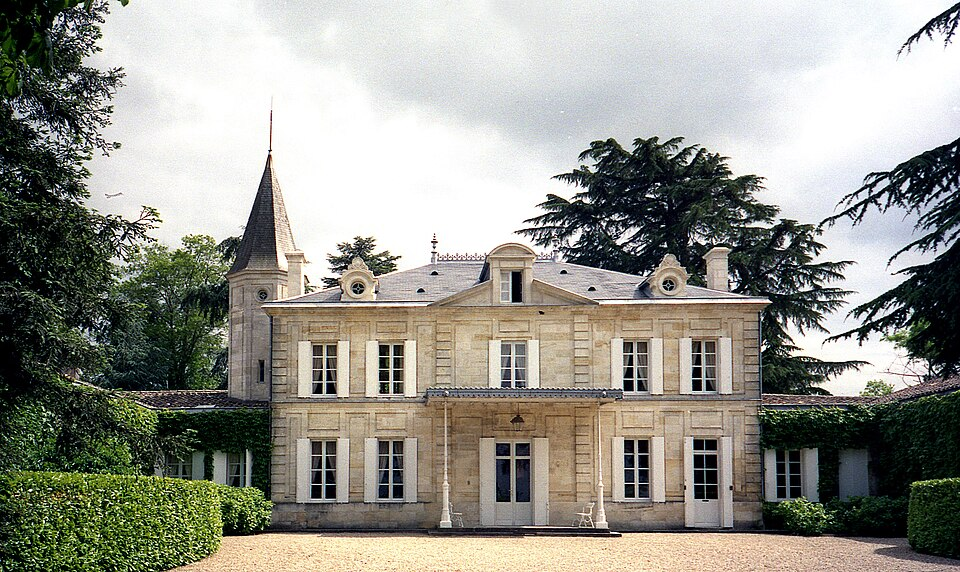
Not Every Historic Home Should Be Restored.
And that's often the best thing that can happen to them.
The instinct that follows almost every significant acquisition is remarkably similar.
— Let's restore it. — It sounds respectful, responsible, magic of old times, almost like the safest decision available.
Sometimes it is. Often, it is not.
Ask five owners what their historic property needs, and four will say "restoration." Almost none of them mean it in the way the word actually works. Restoration isn't simply another word for renovation... is a specific, narrow promise, returning something to exactly what it was, using original materials, traditional techniques, and as little intervention as possible.
It's slow, specialist, and usually the most expensive work per square metre in the entire project.
Unless a property, or part of it, is protected under heritage legislation, not everything inside a historic home carries that responsibility. Understanding where it does, and where it doesn't, is the first real step toward protecting what made the property worth buying.
Age and Heritage Are Not the Same Thing
A building can be old without being historically significant. Equally, a single staircase, fireplace, or room may carry more architectural value than the rest of the property combined.
The question is rarely "How old is the house?".
A more useful one is: "What gives this property its identity?"
Once that's clear, the right approach tends to follow on its own.
Sometimes the Right Decision Is Neither
Occasionally, the first decision isn't how to transform a property, but whether transformation is the right decision at all.
A careful assessment at the earliest stage sometimes reveals that a building's condition, its finances, or its structure no longer support what restoration or renovation would ask of it. In those cases, the more honest answer isn't a lighter renovation. It's choosing not to buy, or, where the property is already owned, accepting that rebuilding will create more long-term value than repairing what remains. That's not a failure of the process. It's the process working exactly as it should, before the larger commitment is made, not after. This is precisely what a pre-acquisition assessment is for: understanding what a property can truly support before the offer is made, not after.
Take a nineteenth-century orangery with a hand-carved stone staircase and a 1980s kitchen extension bolted to the back. The staircase deserves restoration, it's irreplaceable, and its value is precisely that it hasn't changed. The extension deserves neither preservation nor apology. It was never part of the building's story. It's simply waiting to become something useful.
Same building. Two entirely different answers.
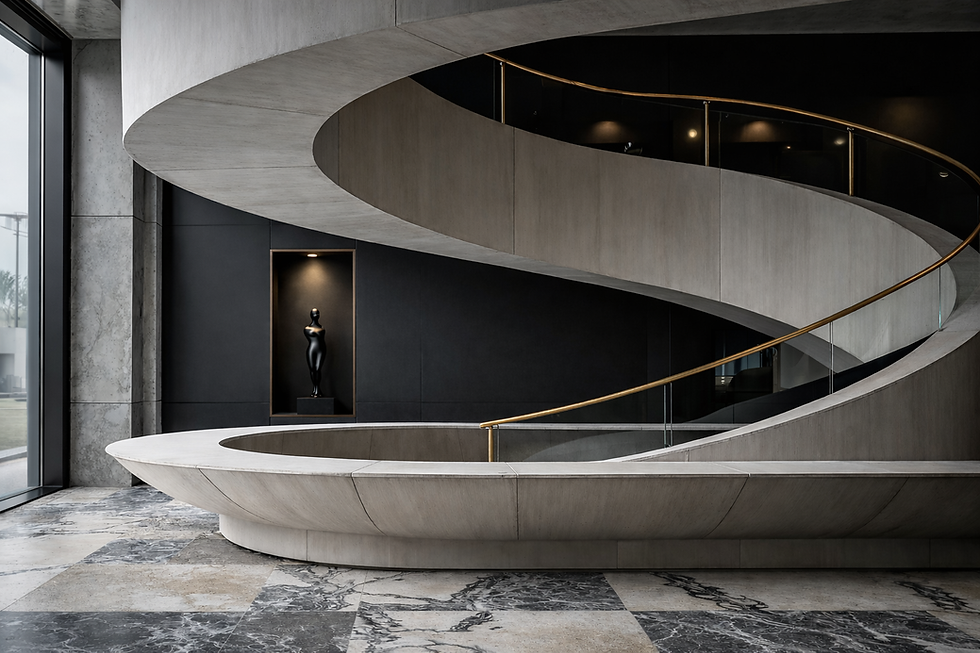
Respect Doesn't Always Mean Preservation
One of the more common misconceptions is that preserving more automatically means preserving better.
Respect isn't measured by how much is left untouched but by understanding what deserves protection, what deserves improvement, and what deserves to evolve.
Some elements call for careful restoration: the original staircase, handcrafted plasterwork, a parquet pattern nobody produces anymore. Their value lies precisely in their authenticity, telling the story of the house.
Other parts of the property ask something entirely different. Wiring, heating, plumbing, insulation and many service installations, none of it was designed for the way we live now, and in most cases it no longer meets modern expectations for comfort or safety. This is where renovation belongs.
Its role isn't to compete with the building's character. It's to quietly support it, modern systems disappearing behind the architecture, so the house can function today while keeping the atmosphere that made it worth having in the first place.
Then there are spaces asking a different question altogether. An attic never intended for living in. A later addition with no architectural value of its own. A room simply ready to serve a new purpose.
This is where redesign begins, not by asking what the building once was, but what it could become for the people who will live there next.
Historic homes were never meant to become museums. They were built to serve the people inside them.
Sometimes the Right Decision Is Neither
Occasionally, the first decision isn't how to transform a property, but whether transformation is the right decision at all.
A careful assessment at the earliest stage sometimes reveals that a building's condition, its finances, or its structure no longer support what restoration or renovation would ask of it. In those cases, the more honest answer isn't a lighter renovation. It's choosing not to buy, or, where the property is already owned, accepting that rebuilding will create more long-term value than repairing what remains. That's not a failure of the process. It's the process working exactly as it should, before the larger commitment is made, not after. This is precisely what a pre-acquisition assessment is for: understanding what a property can truly support before the offer is made, not after.
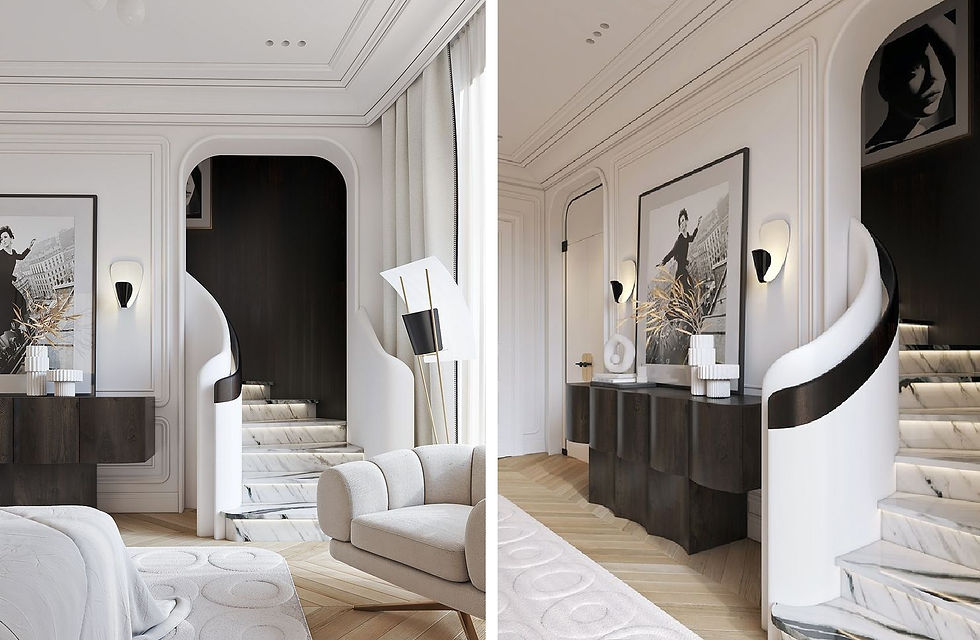
Understanding through questions.
The starting point is always listening to the property itself. This means:
Observing materials and details: What original features remain? What condition are they in?
Understanding use patterns: How do current occupants use the space? What frustrates or delights them?
Assessing structure and systems: Are there urgent repairs or upgrades needed?
Clarifying goals: What is the client’s vision for the property’s future?
Restoration —"What deserves to survive exactly as it is?"
"What I love to preserve as property’s identity over replacing elements."
Renovation —"How can this house support modern life without losing itself? "
Redesign —"What could this space become for the people who will live here now?"
Notice something: These aren't design questions. They're judgement questions. The decision was never restoration, or renovation, or redesign. It's understanding where each one belongs, sometimes within the same building, sometimes within the same room.
The most successful historic properties are rarely defined by a single approach. They're all three at once, the staircase asking one question, the kitchen another, the attic a third, all within the same walls. A château in France, a villa on the Swiss lakes, and a canal house in Cracow Old Town, will each answer these questions differently, heritage protection works differently in every jurisdiction, and what's non-negotiable in one country may be entirely at the owner's discretion in another. That's part of why this decision needs to be made property by property, not by habit.
Preserviring the oryginal state.
Choosing restoration means deciding to preserve the authenticity and character that define the property, using the original materials and techniques wherever they can still be sourced or matched.
That decision is extremely rewarding and at the same time carries real weight.
Every element considered for restoration is first assessed on its own terms, what can genuinely be preserved, what must be stabilised before it fails completely, and what has already been lost beyond recovery.
Get that assessment wrong, and the cost compounds quickly. Material that could have been repaired ends up replaced entirely, at several times the price, with none of the original's value intact. Original craftsmanship, once removed, cannot be bought back at any budget. It doesn't depreciate gradually. It depreciates completely, the moment it's gone.
This is why restoration takes time and precision. It's not freezing a building in time. It's allowing its story to continue with integrity, at the pace integrity actually requires.
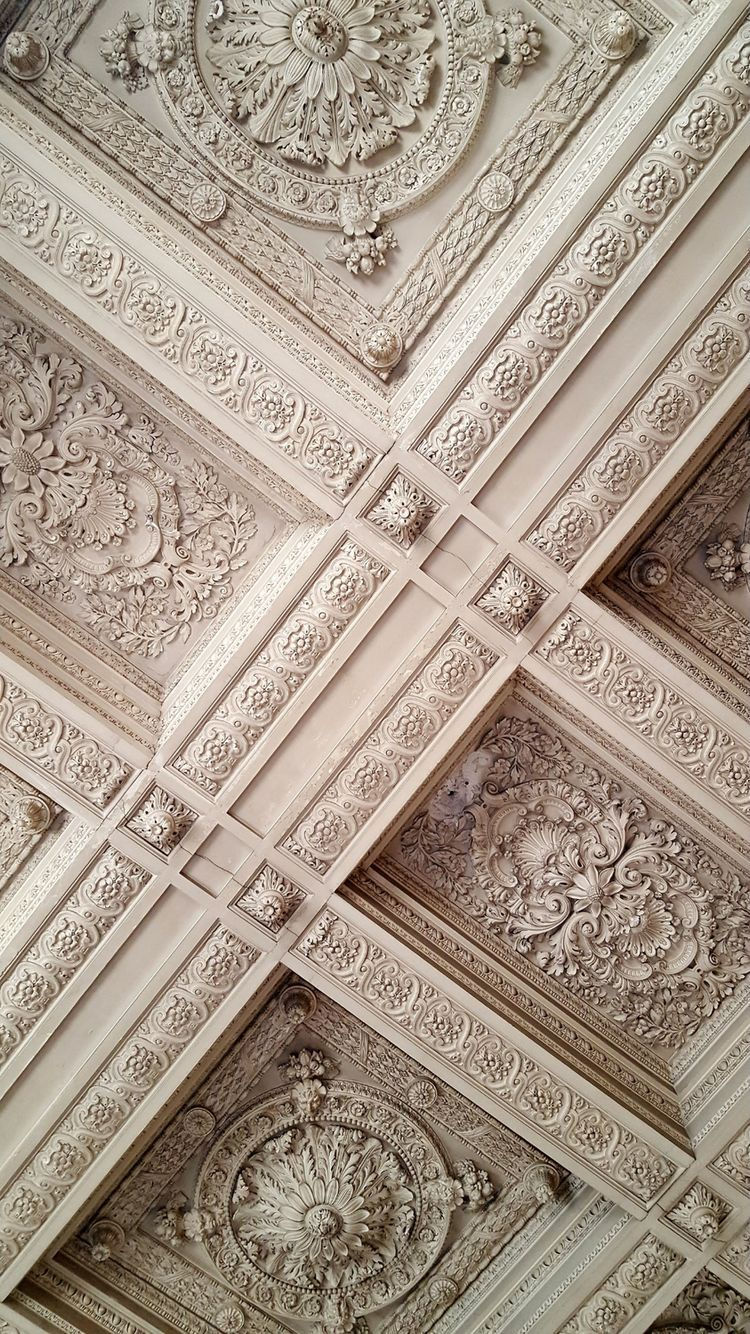
Two Stories, One Property
What people usually notice is the end result: the natural stone, the light, the calm, the character.
What quietly made that possible is almost never seen: the research, the permits, the material studies, the climate considerations, the craftsmanship, the coordination between everyone involved.
Hundreds of thoughtful decisions, none of them competing for attention, all of them supporting the experience. That's the work that happens quietly, on our side while you ave decisieve clarity.
Every significant property carries two stories: the one it has already lived, and the one still waiting to be written.
Great design guidance isn't about choosing between them. It's about understanding where they meet, sometimes through restoration, sometimes renovation, sometimes redesign. Always with purpose, shaping how the property will perform, age and feel for decades to come.
Every decision made at the beginning quietly shapes everything that follows, not only the investment, but how naturally the property will be lived in, and how it will age, for decades to come.
"The most valuable decision in any historic property is rarely the first wall that comes down."
— EMdot Studio
Cross-border interior architecture, architectural design with turnkey delivery.

© 2026 EMdot Studio. All rights reserved. This article reflects general principles and does not constitute legal, regulatory, or heritage-compliance advice for any specific property. Requirements vary by jurisdiction, always confirm with local heritage authorities and legal counsel before acting.


Comments